

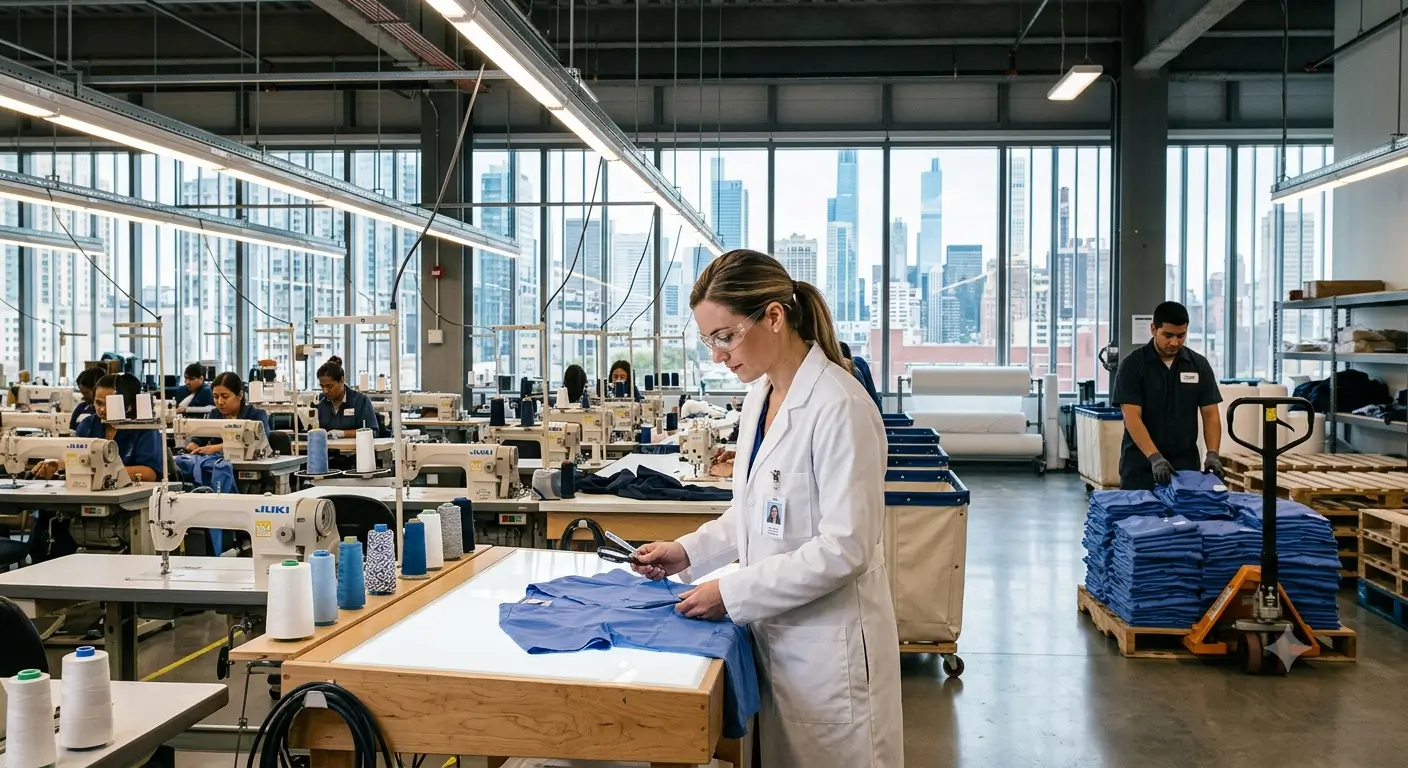
The true cost of a hospital uniform isn’t just the invoice price. It’s what that uniform does, or fails to do, for your staff, your patients, and your brand over its entire lifecycle. Selecting the right hospital uniform manufacturers is less about finding a supplier and more about securing a critical operational partner. We’ve seen firsthand how an ill-fitting, quickly degrading uniform can erode morale, compromise hygiene protocols, and even impact patient perception. You can’t afford to get this wrong.
Too often, facilities focus on the immediate procurement cost, overlooking the substantial downstream expenses tied to poor quality: frequent replacements, staff complaints, and the very real risk of compromised infection control. This isn’t just about fabric; it’s about functionality, durability, and the silent message your uniforms send about your institution’s standards. Getting this balance right means scrutinizing more than just the price sheet. It requires a deep dive into a manufacturer’s processes, materials, and their understanding of the unique demands of a healthcare environment.
Beyond the Quote: Understanding the True Lifecycle Value
When you’re sourcing uniforms for a healthcare setting, the purchase order is just the beginning. The real transaction happens over months and years, defined by how those garments perform. We’re talking about items that endure constant washing, often at high temperatures, exposure to a range of chemicals, and the daily grind of a highly physical job. If a manufacturer prioritizes shaving pennies off the production cost, you’re likely going to pay for it later in accelerated wear, fading, and structural breakdown. This isn’t conjecture; it’s a consistent pattern in our industry.
Is a lower upfront cost truly cheaper long-term?
Almost never, in our experience. Think about the hidden costs. A uniform that fades after twenty washes looks unprofessional. One that pills or thins quickly needs replacing sooner. Each replacement order incurs its own administrative burden, shipping costs, and the environmental impact of disposal. A poorly constructed garment might unravel at the seams, requiring repairs or early retirement. The material itself is paramount. Are they using a true polyester-cotton blend with sufficient tensile strength and colorfastness, or a cheaper, less durable alternative that will fray and pill within months? We always push for materials that offer a high wash-and-wear cycle count. Look for fabric specifications that detail fiber content, weave density, and finishing treatments like antimicrobial properties or moisture-wicking capabilities. These aren’t luxuries; they’re operational necessities in a medical environment.
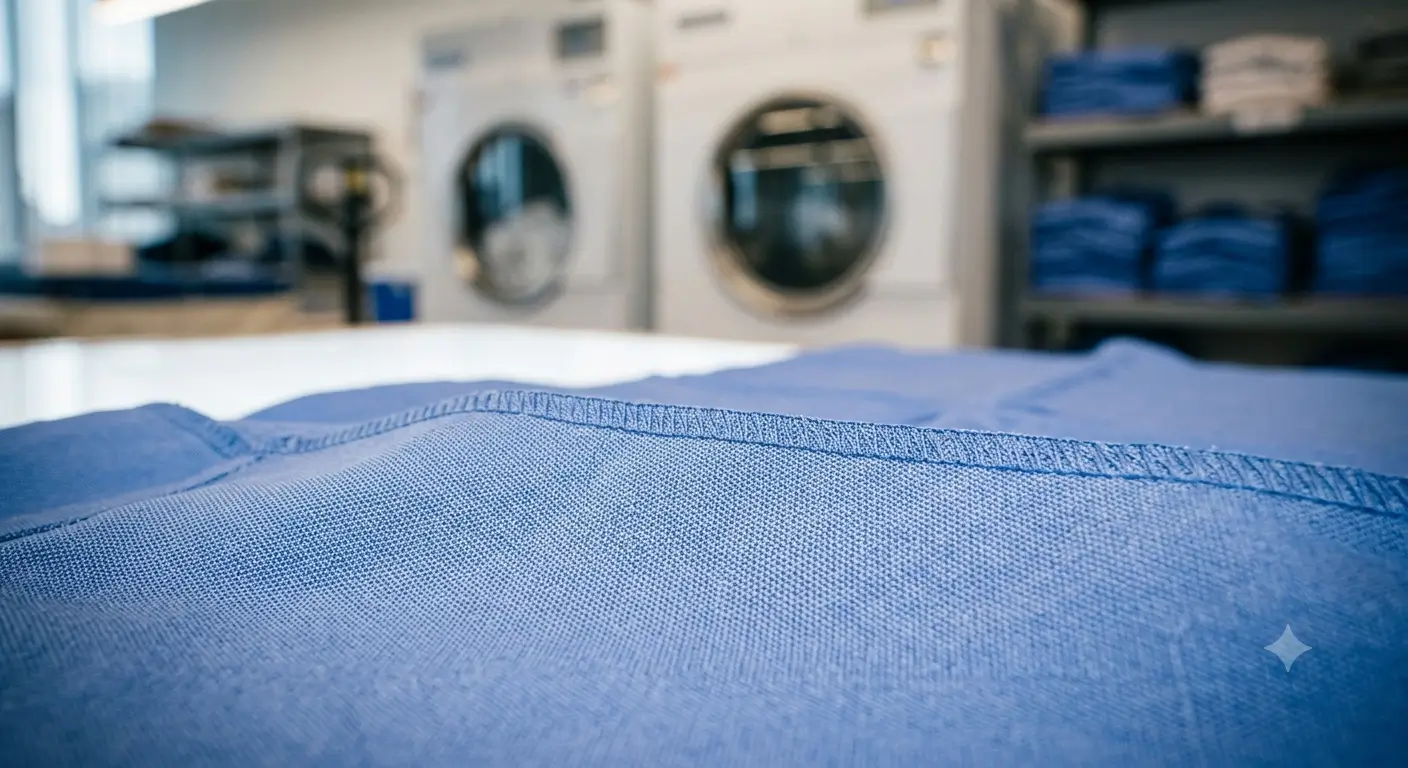
Consider staff comfort and mobility, too. A rigid, scratchy fabric impacts employee morale and productivity. A uniform that restricts movement can be a safety hazard. High-quality manufacturers understand the ergonomic requirements of healthcare work and select fabrics that are breathable, flexible, and soft against the skin, even after repeated industrial laundering. It’s a subtle but significant factor in staff retention and daily efficiency. This is where a manufacturer’s expertise in fabric science really shines, differentiating them from those simply churning out garments.
Vetting Hospital Uniform Manufacturers: The Supply Chain and Production Deep Dive
The manufacturing process itself is a window into a company’s commitment to quality. You can’t just take their word for it. You need to understand their supply chain, their production capabilities, and their quality control protocols. We’ve seen too many projects derailed by manufacturers who overpromise and underdeliver, often due to an opaque or unreliable supply chain. When you’re dealing with healthcare, consistency isn’t a ‘nice-to-have’; it’s a ‘must-have’.
How do you assess a manufacturer’s production capacity and reliability?
Start by asking for a detailed factory audit report, or better yet, arrange for an on-site visit if geographically feasible. If not, request video tours and live calls with their production managers. Look for evidence of modern equipment, organized workflows, and clear division of labor. A chaotic factory floor usually translates to inconsistent quality and missed deadlines. Specifically, inquire about their capacity for your order volume. Do they have dedicated lines for similar projects, or will yours be squeezed in as an afterthought?
Their raw material sourcing is another critical aspect. Reputable hospital uniform manufacturers will have established relationships with fabric mills, ensuring consistent quality and availability. Ask about their fabric testing procedures: shrinkage, colorfastness, tear strength. What certifications do their fabrics hold? Oeko-Tex Standard 100, for instance, verifies textiles are free from harmful substances, which is vital for patient and staff safety.
The true mark of a reliable manufacturer isn’t just their ability to produce; it’s their transparency and control over every step, from thread to finished garment.
Then there’s the quality control. Do they have a robust, multi-stage inspection process? This should include raw material inspection, in-process checks at various sewing stations, and a final inspection before packing. Ask for their AQL (Acceptable Quality Limit) standards. A manufacturer operating at an AQL of 2.5 or better for major defects is generally a good indicator of stringent quality control. Don’t shy away from asking for references from other healthcare clients. Their past performance is often the best predictor of future results. For insights into our own production standards and facilities, you can explore our custom apparel manufacturing services.
Customization and Compliance: More Than Just a Logo
Hospital uniforms are rarely off-the-rack items. They require specific sizing, departmental distinctions, and often intricate branding. The ability of a manufacturer to handle complex customization without compromising quality or increasing lead times is a key differentiator. This goes beyond simply embroidering a logo. It extends to specific pocket configurations, ventilation panels, closure types, and even color-coding systems for different roles or departments.
Can a manufacturer truly handle complex custom requirements?
Many claim they can, but few truly excel. The proof is in their design and sampling process. A capable manufacturer will have an in-house design team that understands garment construction and can translate your functional requirements into a practical, manufacturable design. They should provide detailed tech packs, fabric swatches, and multiple rounds of physical samples for your approval. This iterative process is where the true customization happens. If a manufacturer rushes this stage or offers limited flexibility, it’s a red flag. We pride ourselves on working closely with clients during this critical phase to ensure every detail is perfect.

Compliance is another non-negotiable. Healthcare uniforms often need to meet specific industry standards, such as those related to flammability, fluid resistance, or specific antimicrobial treatments. Your chosen manufacturer must demonstrate a clear understanding of these regulations and provide documentation to prove their products meet them. This isn’t just about avoiding penalties; it’s about patient and staff safety. Ask for their testing certificates and quality assurance documentation. For example, if you need scrubs with specific fluid barrier properties, they should be able to provide test reports validating this claim. A manufacturer that shrugs at compliance questions isn’t one you want to partner with.
The Partnership Angle: Service, Communication, and Scalability
Ultimately, selecting a uniform manufacturer is about building a relationship. You’re not just placing an order; you’re entrusting them with a critical aspect of your operational identity and functionality. The best manufacturers operate as extensions of your own team, offering proactive communication, problem-solving, and reliable support. A transactional mindset from a supplier will inevitably lead to friction down the line.
What makes a manufacturer a long-term partner, not just a vendor?
Responsiveness and clear communication are paramount. Can you get a hold of your account manager when you need them? Do they provide regular updates on production status? Are they transparent about potential delays and proactive in offering solutions? A good partner will anticipate your needs, perhaps suggesting improvements based on their experience or flagging potential issues before they become problems. They should offer support beyond just delivering the product, such as advice on uniform care or inventory management.
Scalability is another key factor. Your uniform needs might change as your facility grows or new departments are added. Can your manufacturer scale production up or down efficiently without a drastic drop in quality or a significant increase in cost? This involves having flexible production lines and robust raw material procurement capabilities. Discuss their minimum order quantities (MOQs) and their ability to handle rush orders or smaller replenishment batches. A true partner will adapt to your evolving requirements, rather than imposing rigid limitations. You can learn more about our commitment to client relationships on our About Us page.
Finally, consider their post-sale support. What happens if there’s a defect in a batch? How do they handle returns or exchanges? A solid warranty and a clear process for addressing issues demonstrate a manufacturer’s confidence in their product and their dedication to client satisfaction. This isn’t just about covering liabilities; it’s about standing behind their work. When you’re ready to discuss a partnership that values precision, quality, and reliability, reach out. We’re here to help you navigate these complexities and secure uniforms that truly perform. For specific inquiries or to discuss your custom apparel needs, don’t hesitate to contact us directly.
Choosing the right hospital uniform manufacturers is a strategic decision that impacts everything from staff morale to infection control. It’s an investment in your institution’s operational efficiency and public image. By looking beyond the sticker price and focusing on material quality, manufacturing integrity, customization capabilities, and a genuine partnership approach, you’ll secure uniforms that not only meet but exceed the rigorous demands of the healthcare environment.
Frequently asked questions
What are the key material characteristics for hospital uniforms?
Key characteristics include durability for industrial washing, breathability for comfort, fluid resistance for protection, colorfastness, and often antimicrobial properties to support hygiene. Look for blends like polyester-cotton for a balance of strength and comfort.
How important are certifications for uniform manufacturers?
Certifications are very important. For fabrics, Oeko-Tex Standard 100 ensures safety from harmful chemicals. For manufacturing, ISO 9001 indicates a robust quality management system. These demonstrate a manufacturer’s commitment to quality and compliance.
What questions should I ask about a manufacturer’s quality control process?
Ask about their AQL standards, how many inspection points are in their production line (e.g., raw material, in-process, final), and what defect resolution procedures they have in place. Request samples and factory audit reports.
Can I get custom designs for specific hospital departments?
Yes, reputable manufacturers should offer comprehensive custom design services. They should work with you to develop tech packs, provide fabric swatches, and produce physical samples to ensure the design meets the specific functional and aesthetic needs of each department.
What lead times should I expect for a bulk order of hospital uniforms?
Lead times vary significantly based on customization complexity, order volume, and the manufacturer’s current capacity. Typically, expect anywhere from 8 to 16 weeks for initial bulk orders, with replenishment orders being faster. Always clarify precise timelines during the quoting process.